Los orígenes de la Nueva Era
La Nueva Era no es un movimiento aparecido de la nada en el siglo veinte. Su ideología y práctica se originan en la Gnosis. Durante el siglo primero A.D. se asistió a un vigoroso crecimiento de esta filosofía que manifestaba la pretensión de guardar en su seno el mensaje auténtico de Jesús. Frente a él se alzó un conjunto de personajes que veían a la Gnosis como una perversión del mensaje cristiano y a su "Cristo" como "otro Cristo", radicalmente distinto del histórico. Para ellos, la Gnosis era un enemigo peligroso que debía ser abatido.
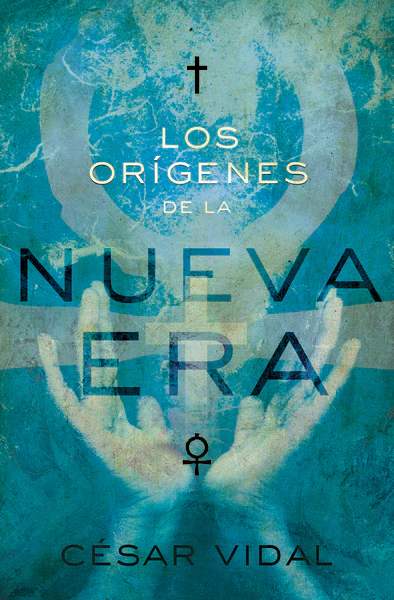
Partiendo de los documentos históricos, Los orígenes de la Nueva Era relata la pugna colosal en la que se enfrentaron dos cosmovisiones diametralmente opuestas, la neotestamentaria y la gnóstica. Las consecuencias de esta pugna resultan visibles, incluso en nuestros días, en el desarrollo e ideología de la Nueva Era.
César Vidal unmasks the hidden doctrines of the New Age movement in this well-documented work.
The New Age movement didn't just appear out of nowhere in the twentieth century. Its ideology and practices originated in the ancient Gnosis. Spreading rapidly in the first century A.D., Gnostic philosophy claimed to hold the true message of Jesus. The group that rose up to challenge it saw the Gnosis as a perversion of the Christian message and saw the Gnostic "Christ" as "another Christ," radically different from the Christ of history. To them, the Gnosis was a dangerous enemy that had to be defeated.
Based on historical documents, Los orígenes de la Nueva Era relates the colossal struggle between two diametrically opposed worldviews: the New Testament and Gnosticism. The consequences of this struggle are visible even in our days in New Age practice and ideology.
La Nueva Era no es un movimiento aparecido de la nada en el siglo veinte. Su ideología y práctica se originan en la Gnosis. Durante el siglo primero A.D. se asistió a un vigoroso crecimiento de esta filosofía que manifestaba la pretensión de guardar en su seno el mensaje auténtico de Jesús. Frente a él se alzó un conjunto de personajes que veían a la Gnosis como una perversión del mensaje cristiano y a su "Cristo" como "otro Cristo", radicalmente distinto del histórico. Para ellos, la Gnosis era un enemigo peligroso que debía ser abatido.
Partiendo de los documentos históricos, Los orígenes de la Nueva Era relata la pugna colosal en la que se enfrentaron dos cosmovisiones diametralmente opuestas, la neotestamentaria y la gnóstica. Las consecuencias de esta pugna resultan visibles, incluso en nuestros días, en el desarrollo e ideología de la Nueva Era.
César Vidal unmasks the hidden doctrines of the New Age movement in this well-documented work.
The New Age movement didn't just appear out of nowhere in the twentieth century. Its ideology and practices originated in the ancient Gnosis. Spreading rapidly in the first century A.D., Gnostic philosophy claimed to hold the true message of Jesus. The group that rose up to challenge it saw the Gnosis as a perversion of the Christian message and saw the Gnostic "Christ" as "another Christ," radically different from the Christ of history. To them, the Gnosis was a dangerous enemy that had to be defeated.
Based on historical documents, Los orígenes de la Nueva Era relates the colossal struggle between two diametrically opposed worldviews: the New Testament and Gnosticism. The consequences of this struggle are visible even in our days in New Age practice and ideology.
Description
La Nueva Era no es un movimiento aparecido de la nada en el siglo veinte. Su ideología y práctica se originan en la Gnosis. Durante el siglo primero A.D. se asistió a un vigoroso crecimiento de esta filosofía que manifestaba la pretensión de guardar en su seno el mensaje auténtico de Jesús. Frente a él se alzó un conjunto de personajes que veían a la Gnosis como una perversión del mensaje cristiano y a su "Cristo" como "otro Cristo", radicalmente distinto del histórico. Para ellos, la Gnosis era un enemigo peligroso que debía ser abatido.
Partiendo de los documentos históricos, Los orígenes de la Nueva Era relata la pugna colosal en la que se enfrentaron dos cosmovisiones diametralmente opuestas, la neotestamentaria y la gnóstica. Las consecuencias de esta pugna resultan visibles, incluso en nuestros días, en el desarrollo e ideología de la Nueva Era.
César Vidal unmasks the hidden doctrines of the New Age movement in this well-documented work.
The New Age movement didn't just appear out of nowhere in the twentieth century. Its ideology and practices originated in the ancient Gnosis. Spreading rapidly in the first century A.D., Gnostic philosophy claimed to hold the true message of Jesus. The group that rose up to challenge it saw the Gnosis as a perversion of the Christian message and saw the Gnostic "Christ" as "another Christ," radically different from the Christ of history. To them, the Gnosis was a dangerous enemy that had to be defeated.
Based on historical documents, Los orígenes de la Nueva Era relates the colossal struggle between two diametrically opposed worldviews: the New Testament and Gnosticism. The consequences of this struggle are visible even in our days in New Age practice and ideology.